Equipment Guidelines:
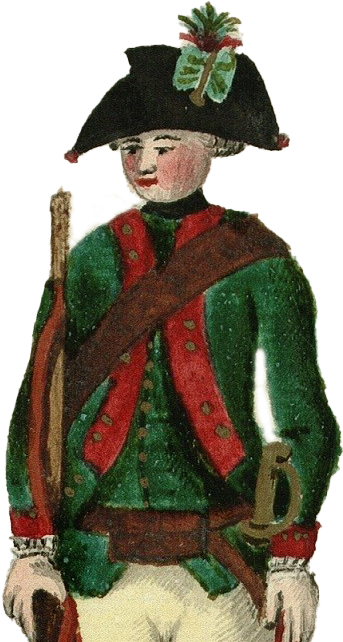
Our equipment standards are based on primary source illustrations and existing examples of uniforms and accouterments. We intend to depict both Hessian and Anspach Jäger, as they were both under the command of Capt. Röder in the 2nd Anspach-Bayreuth Jäger Company. Additionally, our goal is to present a veteran uniformed military unit while on campaign, which includes slight variations in color hues and equipment wear to reflect the difference in replacement issues, service length, and nationality of the soldier.
DISCLAIMER: All leather equipment should be made of reddish-brown leather in the style of 18th-century Germanic infantry equipment. These standards are more lenient than uniform standards; however, they do not permit modern items or items outside of the 18th century for use. Sources are not all-inclusive; alternative sources must be approved to confirm that the quality and specifications meet our unit’s standards.
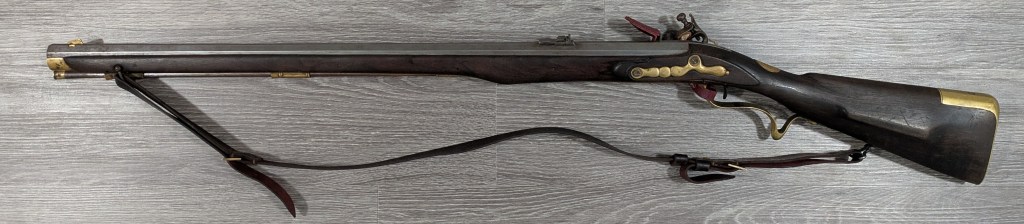
The Jäger Rifle (Jägerbüsche)
A short, large-caliber, rifled carbine is an essential part of a Jäger’s kit. This will be the most expensive item to purchase; however, the rifle’s beauty and uniqueness make it well worth the cost. The Anspach-Bayreuth and T.W. Pistor Jäger Rifles are excellent replicas of original rifles from the AWI.
Sources:
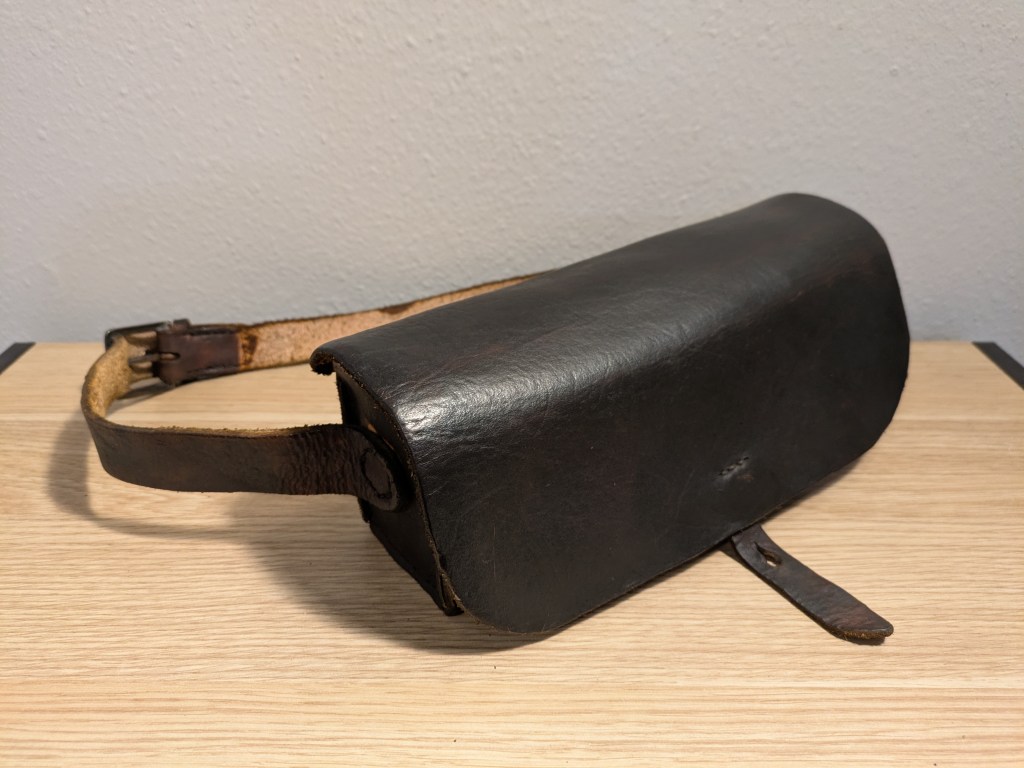
Belly Cartridge Box (Patronentasche)
A leather cartridge box with an attached belt that has a square buckle. The box should hold 12-18 rounds. There is debate over how the cartridges were held; however, leather dividers are preferred, as they are seen on period Prussian examples. Wood blocks are acceptable.
Sources:
- The Belly Cartridge Box is made by the unit.
- Tomáš Filip-Leatherwork
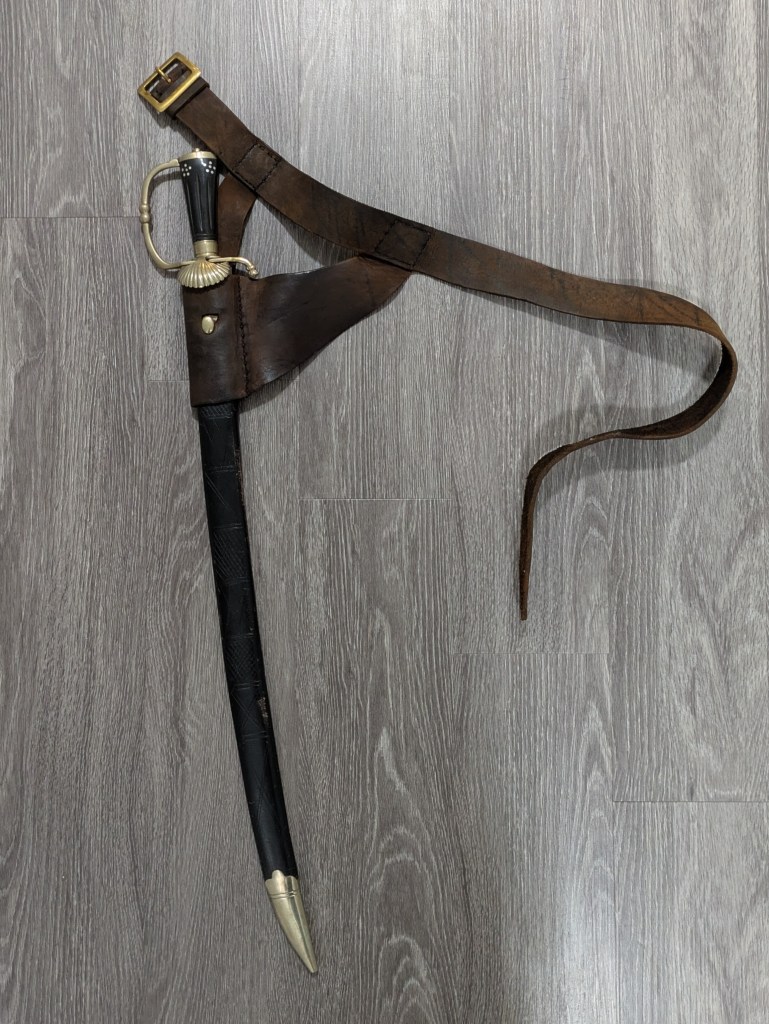
Hunting Sword (Hirshfänger)
As the Jäger was unable to fix a bayonet, infantry swords were used as a solution for melee combat and to clear brush through the woods. The hilt has a shell-like ornament, typically with various decorations such as a horn on the handle. Germanic Infantry swords of the 1741 pattern are also acceptable.
Sources:
- Ebay, Facebook Buy, Sell, Trade Groups, or any other second-hand market.
- The sword belt is made in unit.
- Tomáš Filip-Leatherwork
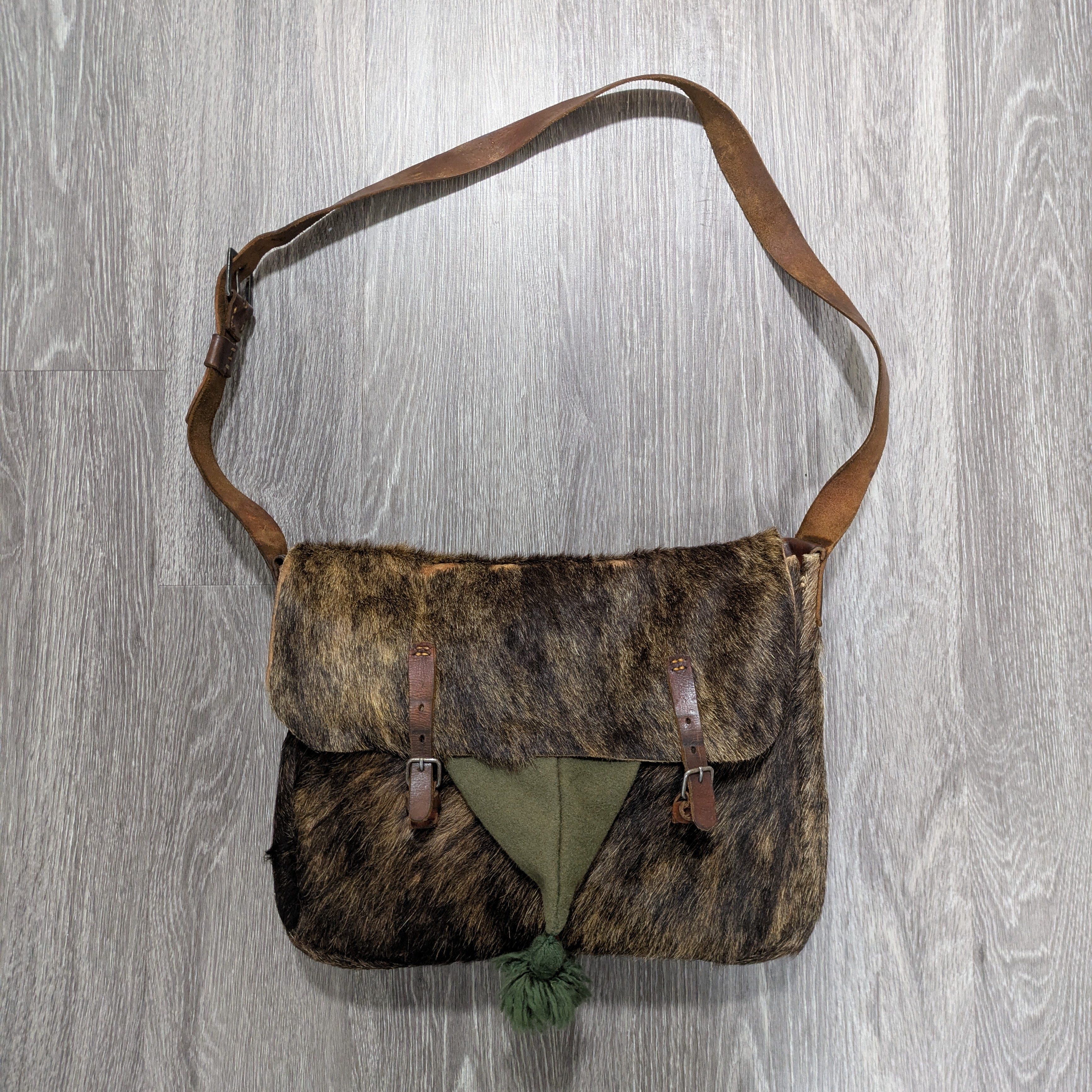
Tornister
Used to hold all items the Jäger would need while on campaign, this hair-on-hide knapsack is another essential item a Jäger must carry. It is typically styled with the foraging cap hanging out from under the flap.
Sources:
- The Tornister is made in unit. The unit has a source for reproduction tornisters as well.
- Tomáš Filip-Leatherwork
Bread Bag (Brotbeutel)
A linen haversack used to hold rations for the Jäger. These have a unique triangular flap.
Sources:
- The bread bag is made by the unit. It is an easy, beginner sewing project for those wanting to learn.

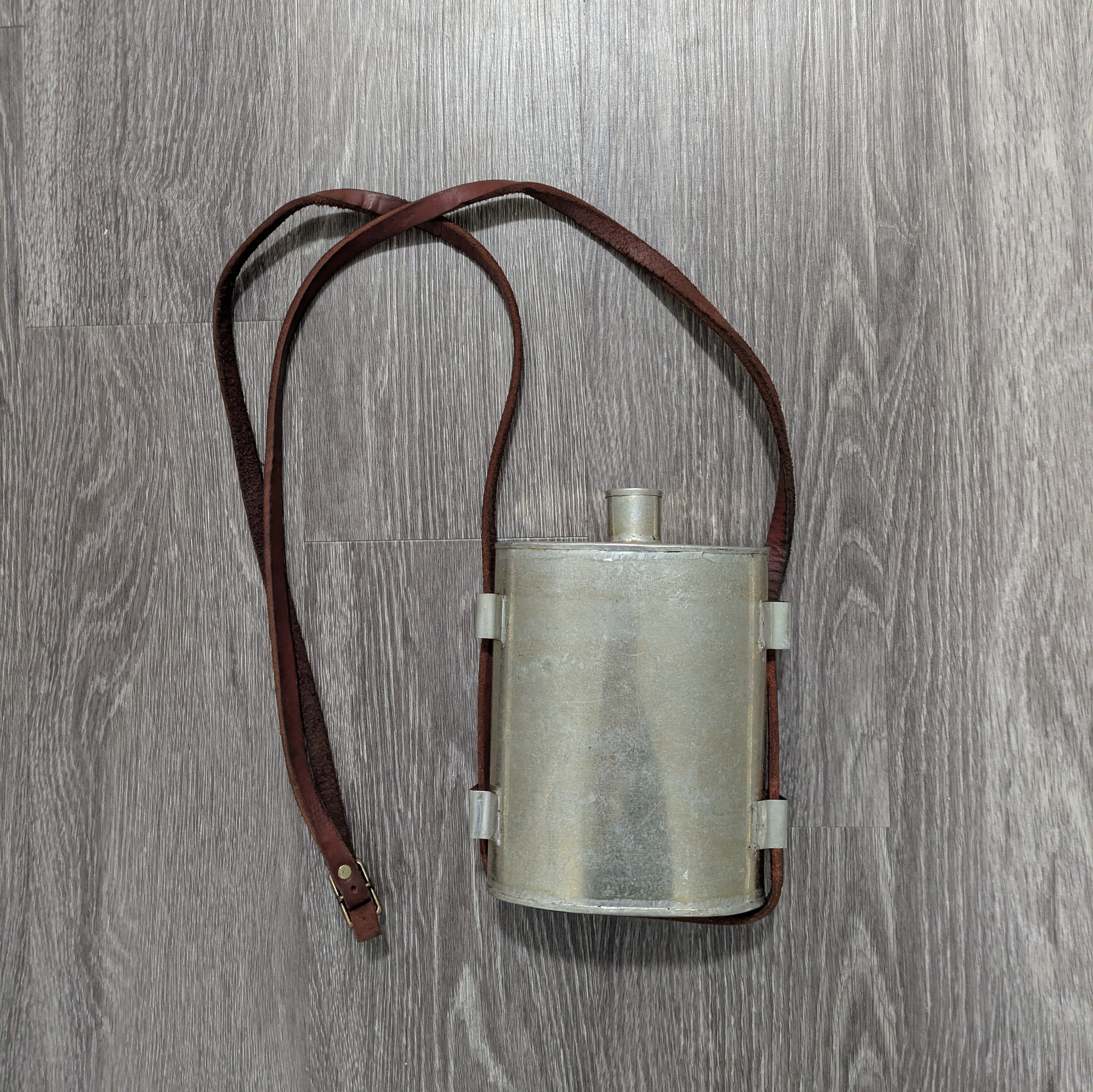
Canteen (Feldflasche)
A tin canteen in an oval shape with lugs for a leather strap (1/2 in. wide with a square brass buckle) is preferred. The spout is slightly off-centered. A British kidney-style canteen is acceptable. Stainless steel canteens in approved styles are also acceptable.
Sources:
- Modified/Custom order of the Crown Point Oval Canteen
- Include an order note to have square lugs and a spout closer to the edge.
- Veteran Arms
- Strap
- Buckle
Shooting Accessories
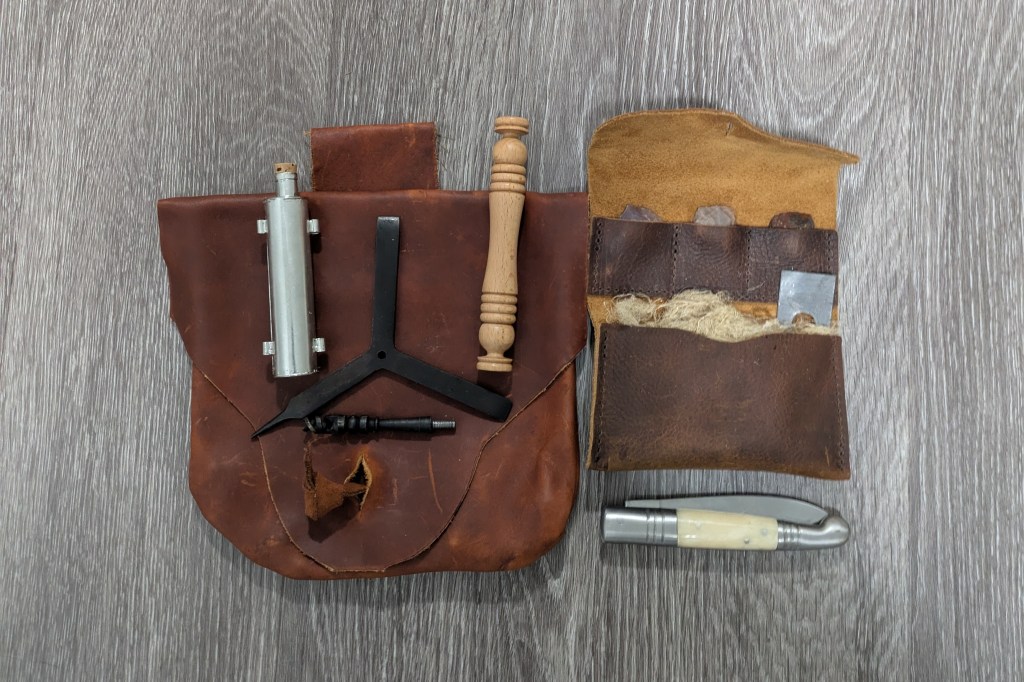
Frequent maintenance of the Jäger Rifle is an absolute necessity, and maintaining the rifle in the field via period techniques is an immersive way to engage with the public.
Accessory Examples:
- Spare Flints (7/8th in.) and Flint wraps.
- Tow Worm & Tow (For cleaning)
- Tow (For cleaning)
- A tin vial of oil, such as neatsfoot oil.
- Vial of 18th-century Brick Dust. Note: Modern brick dust is too abrasive to be used. Ensure the bricks are from the 19th century or earlier.
- Generic 18th-century-style pocket knife
Sources:

Camp Items
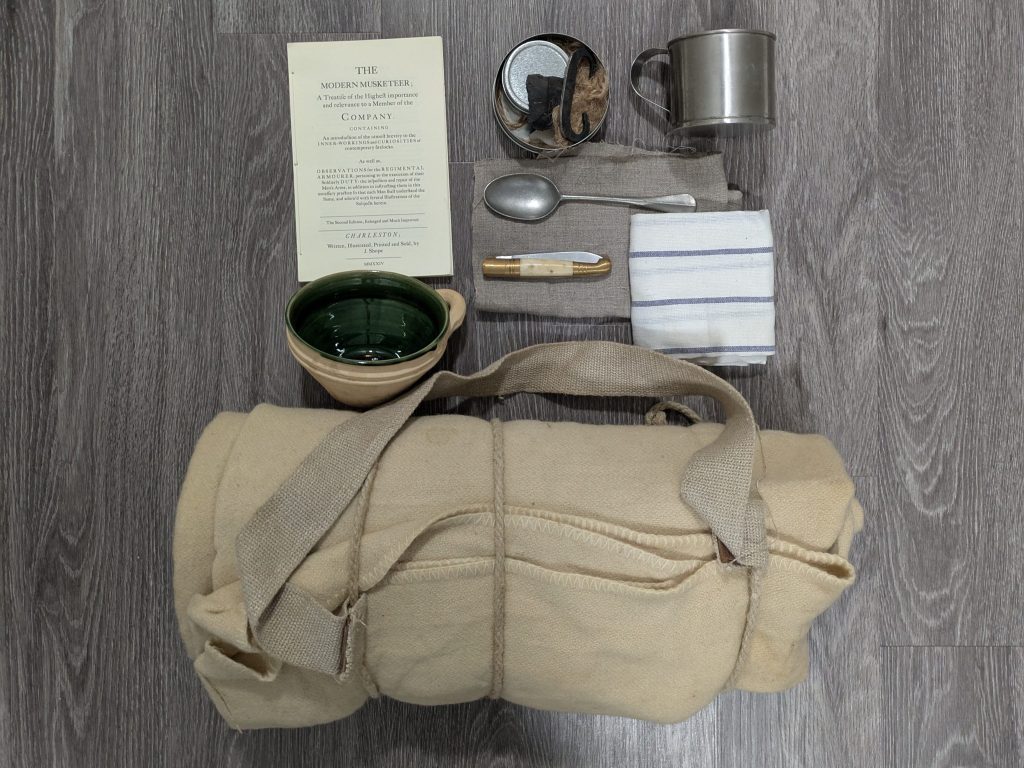
Items to sustain oneself in the field are essential for a Jäger on campaign. Note: All items must be able to be carried on one’s back, ideally all fitting in the tornister.
Camp Item Examples:
- Soldier’s Cup
- Flint and steel kit
- Pewter Spoon in 18th-century style
- Scrap linen for cleaning, repairs, etc
- Linen dishrag for dish cleaning, hygiene, etc.
- Generic 18th-century-style pocket knife
- 18th-century-style eating vessel, such as a porringer
- Housewife/18th-century sewing kit
- Includes scrap leather, linen thread, needles, scissors, beeswax cake, spare buttons, etc.
- 100% Wool Blanket and Tumpline
- White and off-white are the only acceptable colors.
Sources:
 2nd Anspach-Bayreuth Jäger Company